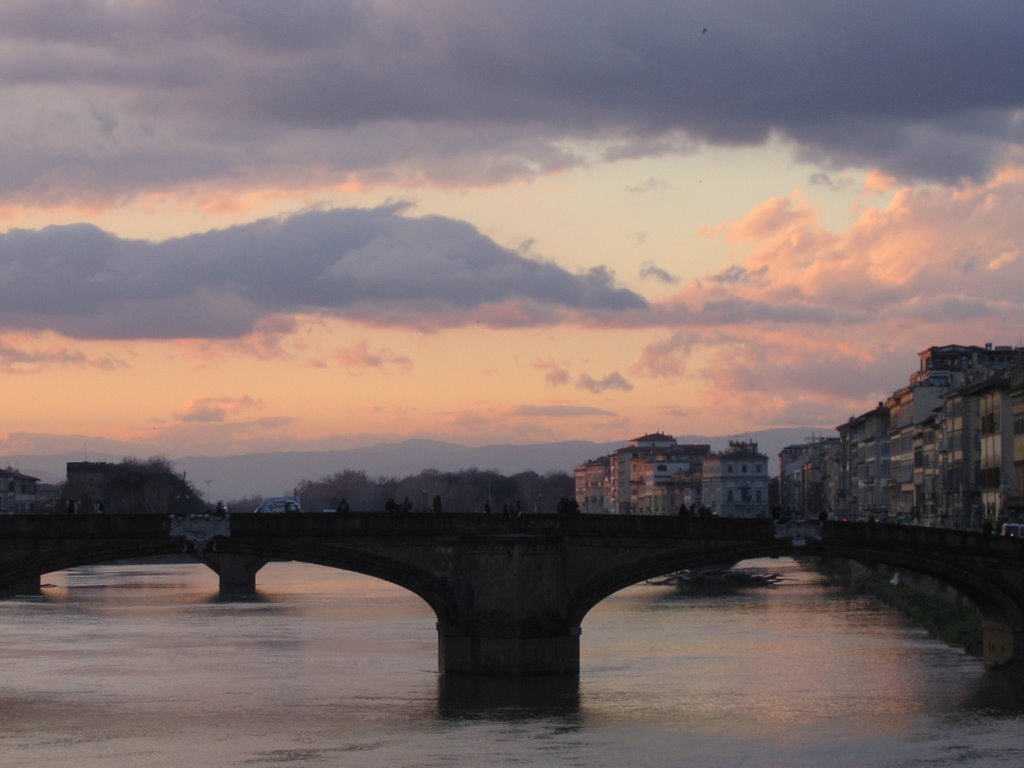

Umbria
Aquiela
Grado
Gubbio
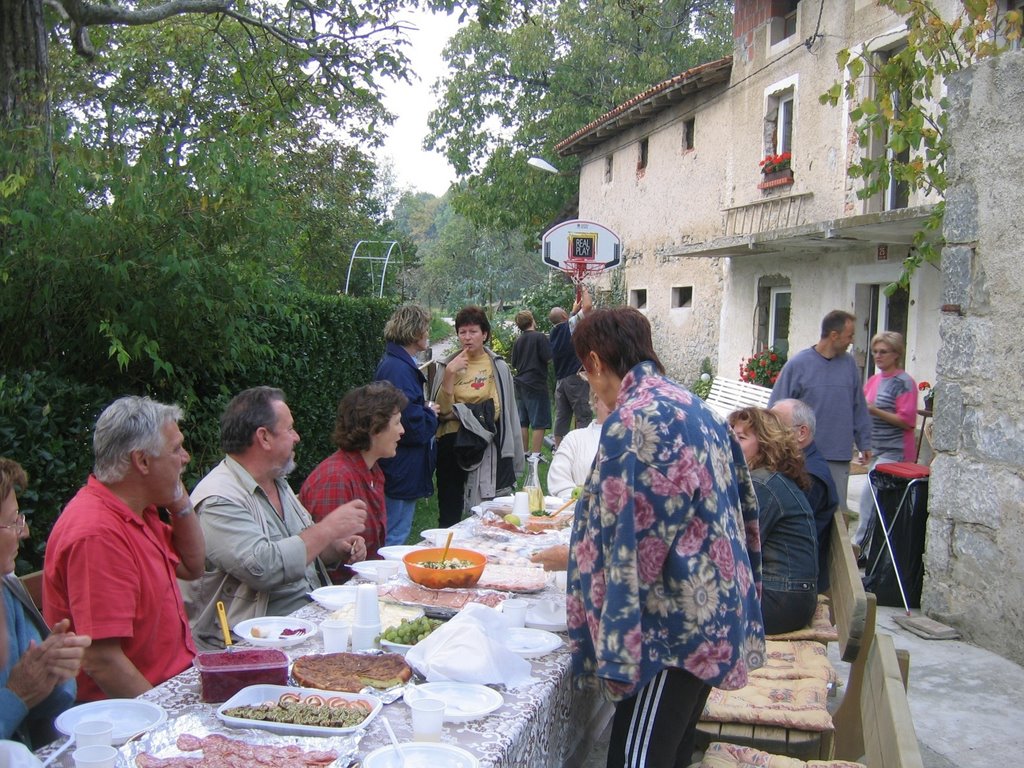
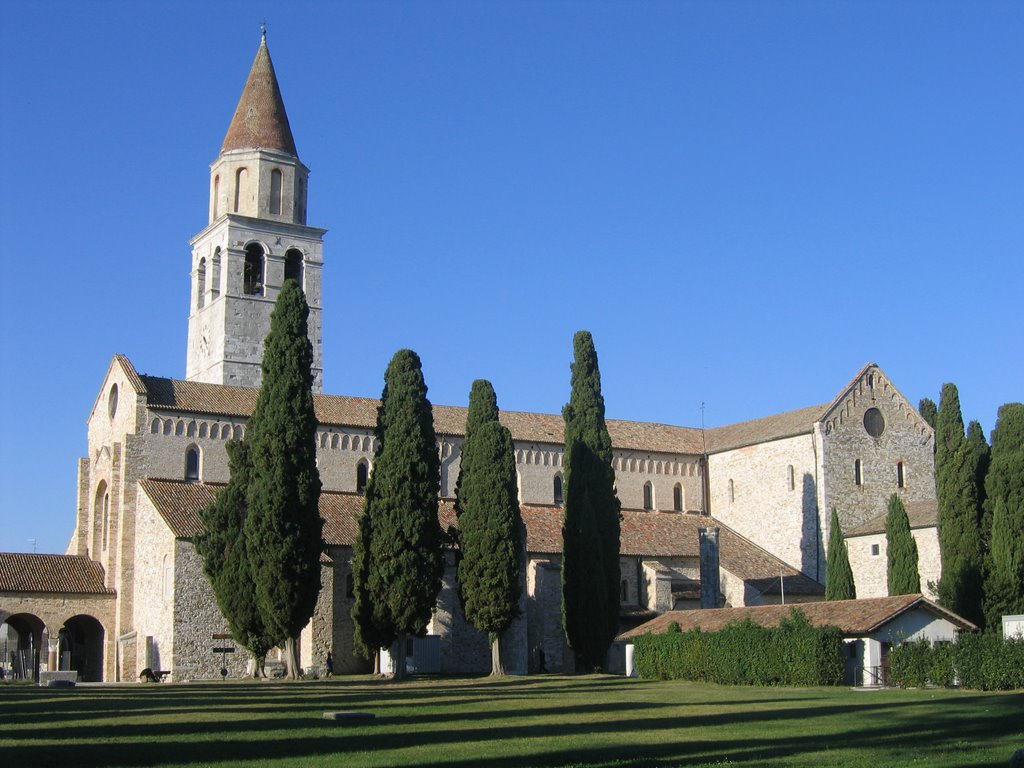
My best friend from high school is here to visit for a week. When I moved to a new high school between my sophomore and junior year Meryl was one of the first people I met at the cafeteria lunch table the first week of school. She has always been the kind of friend who sits up late with me remembering and laughing about our youth and talking about the issues of maturity. We don’t see each other often enough, but it is perfect when we do. Having her here is the greatest joy because she delights in absolutely everything we do. Every morsel she eats, every medieval village, every mountaintop, every shuttered window is a thrill to her. We go to Aquilela to see a 14th century mosaic floor in the Basilica of Sta. Eufemia, to Grado on the seaside, to the star shaped walled city of Palmanova for cappuccino, and then to Venice to search for treasures in glass , to the villages in Slovenia, which are beautiful even in the rain, and finally to the waltzing hills of Umbria .
We leave on Sunday for Venice. We don't know it, but it is the day of the Venice marathon. The runners start on the Brenta Riviera and finish in Venice across the causeway and through the city. The causeway is blocked, traffic is slow and confused because of homemade signs and police looking so very official in full uniform doing the Italian thing; talking, talking, talking. What do they have to talk about?
The city is the normal press of tourists squeezing into narrow passage ways jostling in the density, but it is even more difficult to maneuver because of the running lanes blocking off the path along the Grand Canal, and high water on St. Marco. Wooden platforms crisscross the piazza and pools of water lap at people’s feet gurgling up from the drains. We wander, looking, eating, drinking and shopping for little things that Meryl can resell. Miniatures of everything are made in glass, teeny tiny bugs, cartoon characters, ballerinas, Santa Clauses, even devils with giant penises; tiny miniscule details with fragile lives. The city is so intoxicating. We both are in the clutches of a historical stupor and neither of us want to leave. We find a hotel hidden away from the crowds, stay the night and have dinner of spaghetti with pesto and calamari on Via Garabaldi . The street is dimly lit except for the restaurants. The apartments above are shuttered and dark and only the locals are out and about. The other diners greet those walking by with cheek pecking and hand pumping as if each person is the most important soul in their world. We both enjoy the fantasy that we are members of this historic community that spawned John Cabot and Antonio Vivaldi.
Arm in arm in the darkness we saunter along the Grand Canal to piazza San Marco. Three café are lit and occupied; two with small orchestras that alternate songs. The small crowd of tourists, too cheap to pay the music cover charge and 15 € for ice cream, shift between the two café standing in the darkness listening to the music. A few couples claim the deserted piazza as their dance floor to waltz into romance. We choose a quiet café across the square to share a toast to long friendships, fantasy, music and dancing in the shadow of St. Mark’s Cathedral.
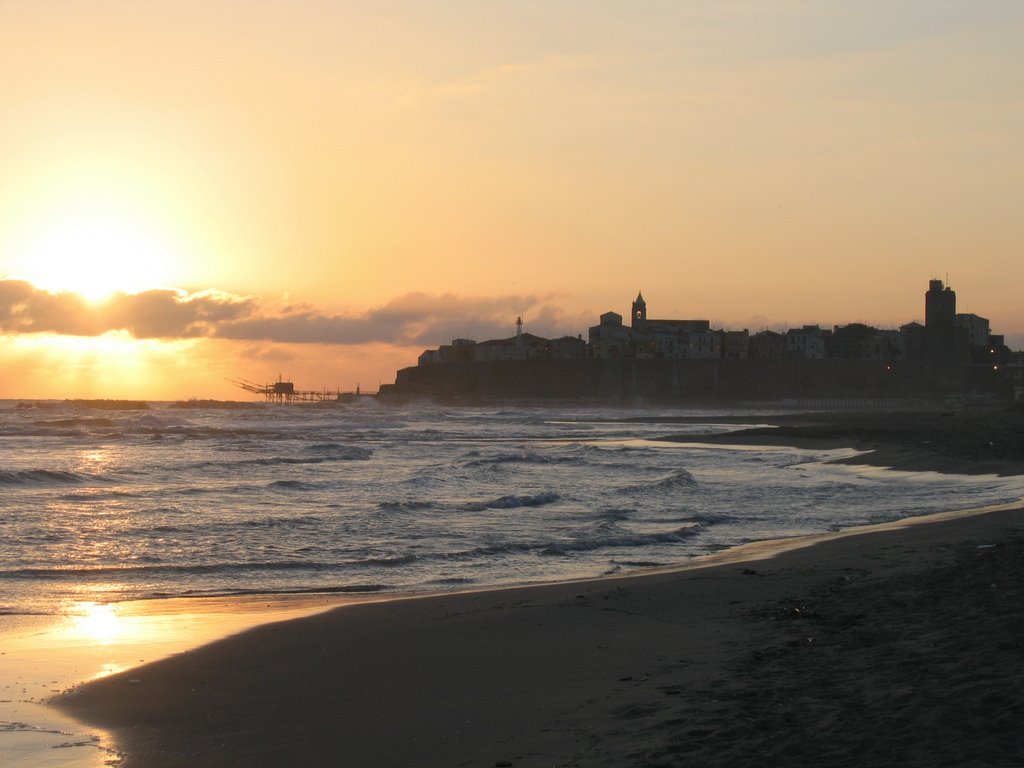
Monday we reclaim the car from the car park and head to Umbria. My plan is to drive along the western coastline to avoid the high speed and crushing trucks on the super highway. It is a coastal road and I expect that there will be great views of the Adriatic and lovely summer villages to pass through, but I am thinking like an American. The road is miserable and a serious driving mistake. This is not highway 1 in New England or highway 101 in California where one does not even have to get out of the car to see the glorious vistas and enjoy the sea. No the Italians leave the beauty of the sea for those who have homes in the tourist towns. We don’t see the sea at all! Instead this road appears to be an expanded farm road that meanders through the swampy areas clogged with slow moving trucks and no place to pass. I finally can stand the traffic no longer and we pull off to enjoy lunch or a cappuccino along the seaside. Everything is closed! The town is completely deserted. The modern apartments that looked over the beach are shuttered tight against the winter. The shops, restaurants, hotels, café are empty, closed tight for the “off season”, and no one was walking the beach. On this glorious warm day in October there is only a hint of the laughter and joy that people share here in the hot summer. I am certain in the heat of the summer this place and all the other towns just like it are hopping, over crowded and crazy wild. Without a doubt I am not traveling this road during the height of tourist season either.
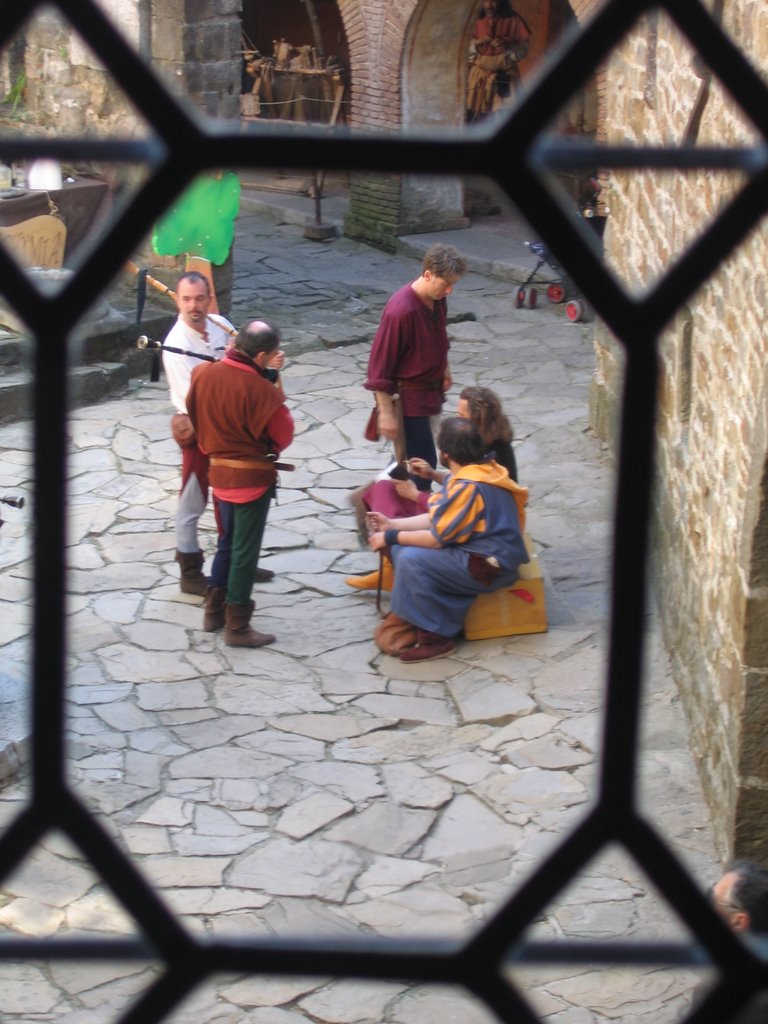
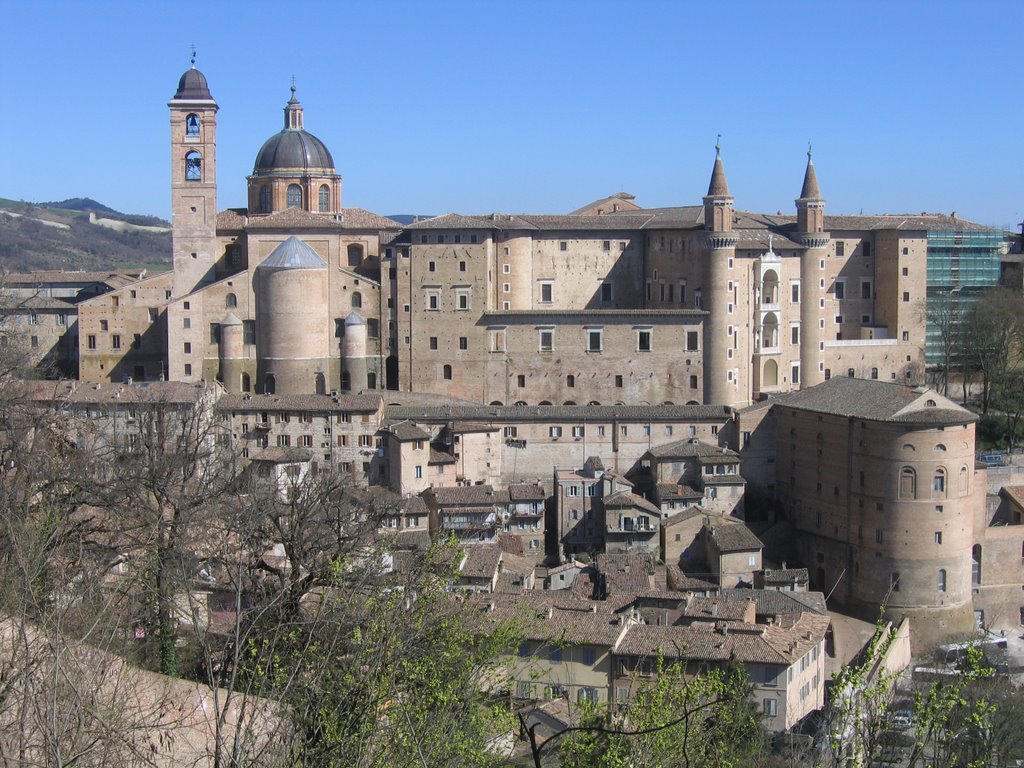
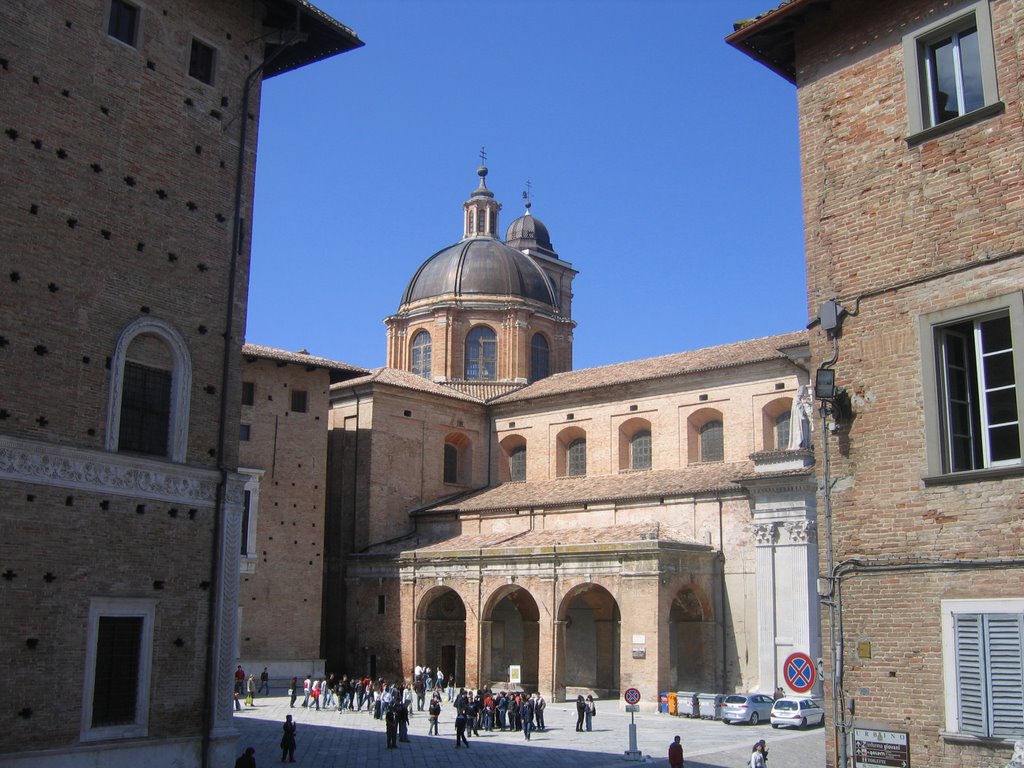
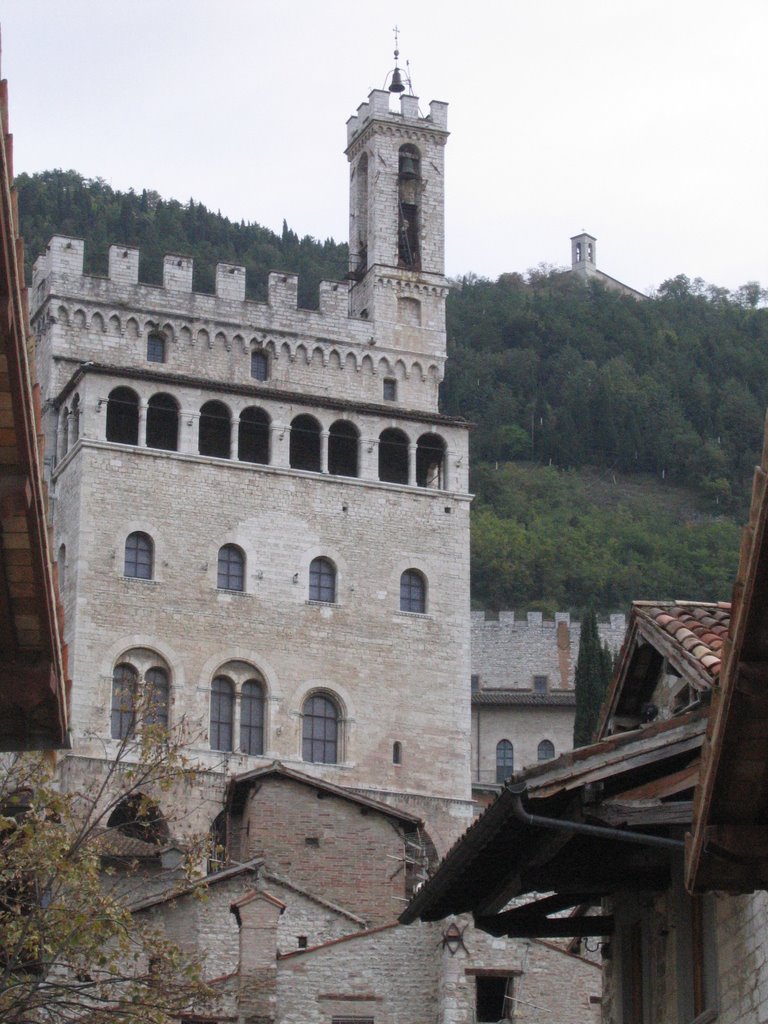
We push on to Gubbio and the reward is great. The city claims to be the largest medieval city in Italy. The buildings are beautifully restored with stone exteriors, hotels, restaurants and shops interspersed among the ancient apartments. The market on Tuesday morning fills the lower square, stores on wheels bring the goods to the customer, rather than expecting the customer to travel the paved cow path to Perugia. Vendors greet the locals by name, calling out the special bargain of the day and the music of the moment is the sound of people connecting with each other. I find it interesting that the voice of the language here in Umbria is so much louder and harsher than the fluid chocolaty melody I hear all the time in Gorizia. The magical flavor is enhanced every evening with luscious local cuisine and wines and quiet walks along the cobbled streets.
Meryl really wants to go to Deruta. Her mother Davie had Deruta pottery when Meryl was growing up and she has collected some of her own pieces, so going to the place where all this beauty is made was a dream come true. The village of Deruta boasts dozens of pottery shops owned and operated by the artists who create the hand painted ceramic ware. The village is a speck on the map near Perugia with an isolated charm that has made a commitment to those who value the brilliant colors, the ancient designs, the slow intense hand painted artistry and the pleasure of speaking to the artists as you watch them work. It is a glorious sunny day and the town has only a trickle of buyers. In each shop the artists work on a piece, painting the designs on hand thrown pottery that has been dipped in white after the firing. Many of the pieces are classic traditional designs that include a stylized dragon. The Raffaellesco pattern is said to have been created by Raphael, the master painter and architect of the Italian High Renaissance. The dragon is “a benevolent deity, bestowing good luck and fair winds to the seagoing merchants of the era with the puffs of wind steaming from his mouth”. Other designs are adaptations of the traditional, but many of the artists have also created unique contemporary motifs. We wander throughout the town peeking in each shop, talking with the artists, comparing the designs and colors. After another gastronomic delight we return to our favorite shops. Meryl buys pieces for the gallery to be sent home and I find a treasure in my favorite colors blue and yellow for which they are so famous.
It was hard to put Meryl on the train for Naples and the second half of her trip. We both are going off alone after a deep connection that spans many many years. It feels pretty lonely without her.